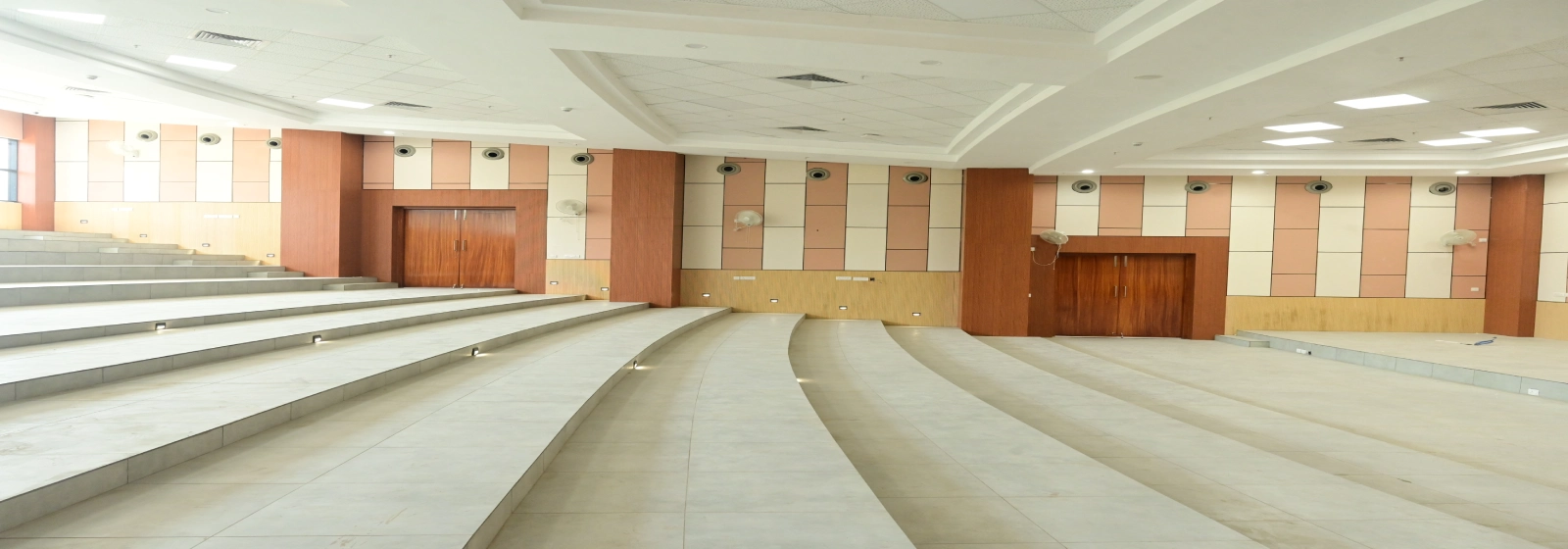
We've all been there: sitting in a sleek, modern restaurant or a high-end glass conference room, straining to hear the person sitting right across from us. While many people assume that creating a quieter space simply means blocking out street noise, the reality is that good indoor sound quality is all about controlling how sound behaves inside the room.
Excessive echo, lingering reverberation, and unwanted sound reflections can muddy conversations, cause listener fatigue, and completely tank productivity. Whether you're outfitting a corporate office, a home theatre, a bustling hospital, or a recording studio, a well-designed acoustic environment ensures that every sound is balanced and clear.
If you're building a new space or trying to fix the sound in an existing one, understanding room acoustics is non-negotiable. Let's break down common acoustic challenges and look at how tools like sound absorption sheets and acoustic sound proof panels actually work to fix them.
Room acoustics simply refers to how sound waves travel, reflect, and get absorbed inside an enclosed space.
Most modern rooms are full of hard, reflective surfaces. When sound waves hit materials like glass, concrete, marble, metal, or gypsum walls, they bounce right back. These constant reflections pile up, creating echoes and reverberations that raise the overall noise level and make it incredibly difficult to understand speech.
When you ignore room acoustics, it negatively impacts everything from employee productivity and classroom learning to customer satisfaction and healthcare privacy. Good acoustics, on the other hand, create a balanced environment where people feel comfortable and can communicate effortlessly.
If your space sounds “off,” you're likely dealing with one of these familiar issues:
Acoustic issues rarely happen by accident; they're usually the result of architectural and interior design choices. Common culprits include:
Without materials designed to absorb sound, noise just keeps circulating until it naturally dies out, ruining the acoustic comfort of the room.
Sound absorption sheets are designed to act like a sponge for noise. Instead of letting sound waves bounce back into the room, these sheets absorb a significant portion of that sound energy.
Unlike standard drywall or glass, integrating acoustic absorption materials into your space helps reduce echo, control reverberation, and dramatically improve speech clarity. The goal isn't to make the room dead silent, but rather to create a balanced, natural-sounding environment. You'll frequently find these sheets hard at work in corporate offices, educational institutions, recording studios, and commercial buildings.
While industry pros often separate the terms, many people look for “acoustic sound proof panels” when they want to fix the sound quality inside their room.
When installed strategically on walls and ceilings, these panels tame unwanted reflections. Depending on what a specific room needs, acoustic panels deliver better speech intelligibility, a superior listening experience for home theatres, and more productive workspaces.
Keep in mind that placement is everything. Throwing a panel on a random wall won't do much; they need to be installed at primary reflection points to actually do their job.
Investing in proper acoustics pays off in highly noticeable ways:
Not sure if your space needs help? It's time to look into acoustic solutions if:
People often use these terms interchangeably, but they solve entirely different problems. Knowing the difference is crucial to getting the right results.
| Feature | Room Acoustic Treatment | Soundproofing |
|---|---|---|
| Primary Goal | Improves sound quality inside a room. | Reduces sound transmission between spaces. |
| Main Function | Controls echo, reverberation, and speech clarity. | Blocks external noise from getting in or out. |
| Materials Used | Sound absorption sheets, acoustic panels. | Heavy construction materials and isolation systems. |
| End Result | Clearer speech and better listening comfort. | Enhanced privacy and noise isolation. |
No two rooms are exactly alike, which means a copy-paste approach to acoustics never works. A podcast studio needs a completely different treatment plan than a busy restaurant or a hospital waiting room.
Before buying materials, you have to consider the room's dimensions, ceiling height, existing surface materials, and daily function. This is where a professional acoustic assessment becomes invaluable—it takes the guesswork out of the process and ensures you get the right materials for your specific layout.
Good acoustics are a universal requirement. The right acoustic design is critical for:
Corporate offices, boardrooms, and coworking spaces.
Universities, schools, and training centers.
Hospitals and private clinics.
Hotels, restaurants, and cafes.
Auditoriums, cinemas, recording studios, and home theatres.
It's tempting to just buy whatever panels look nice online, but evaluating the actual acoustic performance of a space requires expertise.
A professional solution provider looks at the full picture: your specific acoustic challenges, how the room is used, interior aesthetics, and long-term product durability. This guarantees that your acoustic treatments don't just look great, but actually solve your noise problems.
Creating a space that sounds as good as it looks is about much more than just keeping the noise down. It's about improving communication, boosting comfort, and creating an environment where people actually want to spend time.
Whether you're designing a sleek corporate office, a bustling restaurant, or a cozy home theatre, professionally planned acoustic treatments make a world of difference. By integrating tools like sound absorption sheets and acoustic sound proof panels, you can easily manage unwanted noise and craft a perfectly balanced indoor environment.
If you're ready to fix your sound issues, explore the specialized acoustic solutions offered by Himalyan Acoustics to find high-performance products tailored to your project's unique functional and aesthetic needs.
Get customized acoustic treatment and soundproofing solutions designed around your project's requirements. Speak with our acoustic team to discuss your space and requirements.
Book an Acoustic Consultation


 +91 9779512233


