Sound Absorption Treatment is the process of strategically installing absorbent materials within a space to reduce unwanted sound reflections. This technique minimizes reverberation and echo by converting sound energy into heat through friction within porous or fibrous materials. The result is a significant improvement in sound clarity, speech intelligibility, and overall acoustic comfort.
There are two primary international standards used to measure sound absorption:
Ceilings are critical in managing large-area reverberation, especially in open-plan or high-volume spaces like offices, auditoriums, or studios, where acoustic ceiling tiles help absorb sound reflections and reduce echo.
Conceptual Insights:
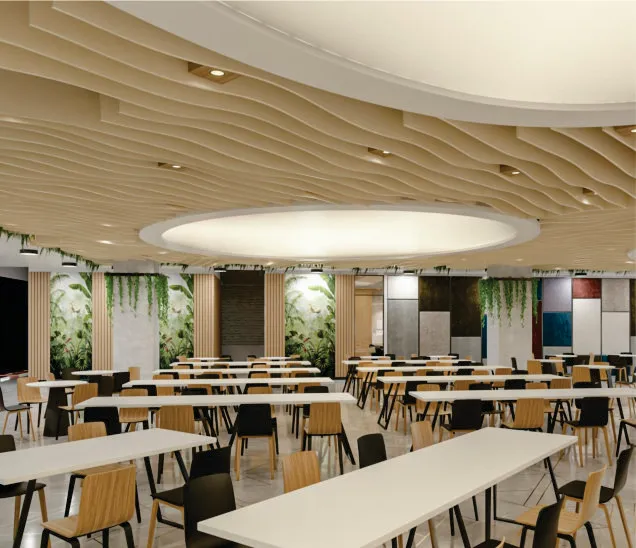

Walls are the largest reflective surfaces in most rooms and play a key role in controlling reverberation. Without proper sound absorption, walls contribute to flutter echoes and poor sound quality. Adding strategic acoustic paneling to these surfaces helps reduce harsh reflections and improve overall sound clarity.
Conceptual Insights:
Floors mainly transmit impact noise, such as footfall, dragging furniture, or machine vibrations — known as structure-borne sound.
Conceptual Insights:
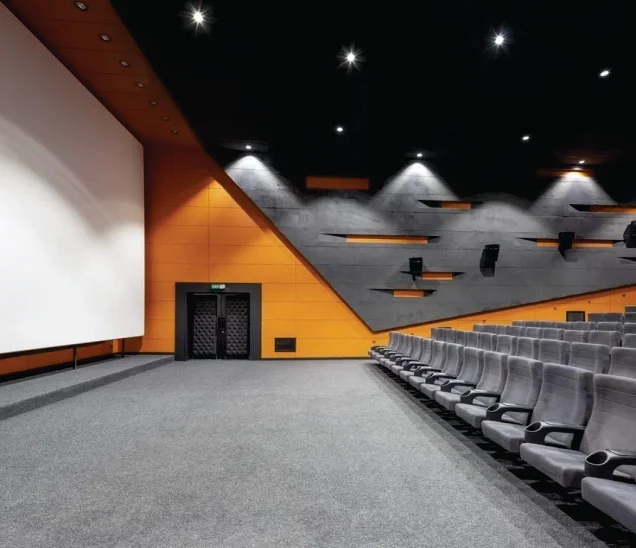
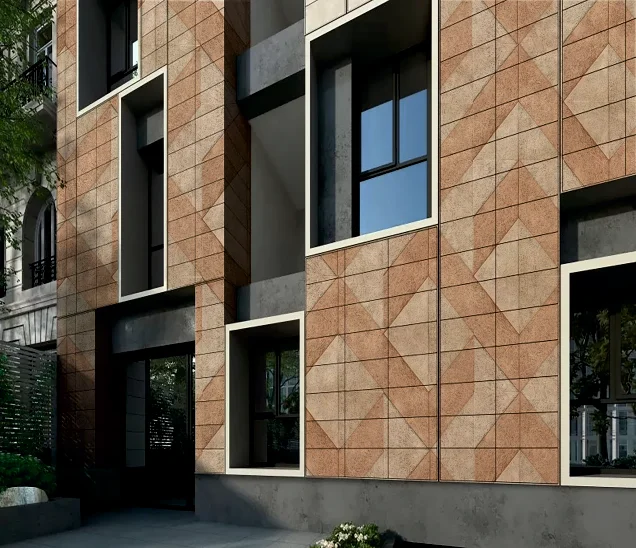
External building facades reflect environmental noise back into nearby areas or internal spaces through secondary paths like windows or curtain walls.
Conceptual Insights:
Windows allow not only light but also airborne sound into a space, compromising the acoustic envelope.An acoustic window system can help reduce external noise transmission and improve indoor acoustic comfort.
Conceptual Insights:

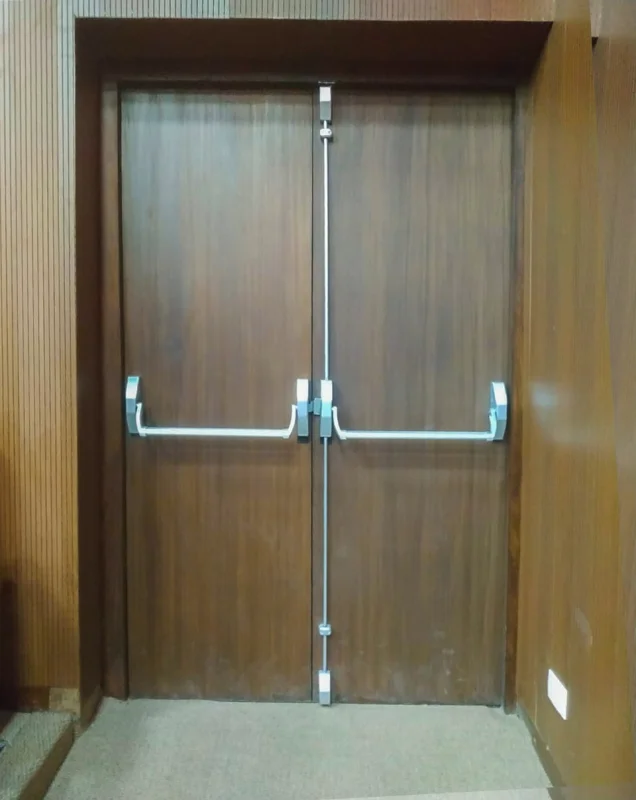
Doors are often the weakest link in an acoustically treated space due to gaps and poor material density.
Conceptual Insights:


 +91 9779512233


